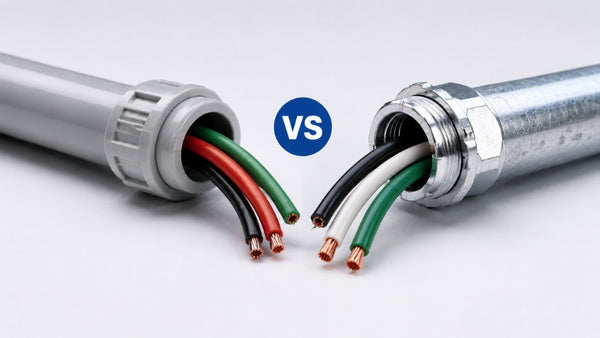
Conduit clamps vs cable clamps are often confused in electrical installations, but they serve very different roles. Conduit clamps are used to secure conduit systems to walls, beams, and other structural surfaces. They help keep conduit stable, prevent movement, and reduce stress on the wiring inside, supporting safer and more reliable operation in both commercial and industrial environments.
Although they are often mixed up, conduit clamps vs cable clamps are not interchangeable. Cable clamps are used to secure electrical cables directly inside panels, machines, and trays. Using the wrong type can lead to loose installations, cable damage, and unnecessary downtime on site. This guide breaks down the key differences in simple terms so you can quickly choose the right clamp for the job and avoid costly installation mistakes.
What Are Conduit Clamps?
Conduit clamps are used to hold conduit in place. Conduit is the protective pipe that carries electrical wiring. These clamps secure that pipe to walls, beams, struts, or other structures.
They are common in commercial buildings, industrial plants, and construction projects. You will see them used anywhere wiring needs protection and structure at the same time.
Their main job is simple. Keep conduit from moving. If conduit shifts or sags, it can stress the wiring inside. That can lead to damage over time. Conduit clamps stop that from happening.
What Are Cable Clamps?

Cable clamps are different. They do not hold pipes. They hold cables. These clamps secure wires directly. They keep them in place inside panels, machines, or trays. You can think of them as organizers for electrical wiring.
A good example is inside a control panel. Wires run in many directions. Without support, they can hang loosely or rub against parts. A cable clamp keeps them tight and controlled.
An electrical cable clamp also helps reduce strain. If a wire pulls too much at a connection point, damage can happen. Cable clamps help prevent that stress.
Conduit Clamps vs Cable Clamps: Main Differences
Here is a simple breakdown to clear up the confusion.
| Features | Conduit Clamps | Cable Clamps |
|---|---|---|
| What they secure | Conduit pipes or tubing | Electrical cables or wire bundles |
| Main job | Structural support | Cable organization and strain control |
| Used For | Walls, beams, struts | Panels, machines, trays |
| Material support | Heavy-duty support for conduit runs | Lighter support for wires |
| Purpose | Keep conduit fixed in place | Keep cables neat and protected |
| Typical use | Industrial and commercial conduit systems | Electrical wiring systems and control setups |
The key difference is simple. Conduit clamps support pipes. Cable clamps support wires.
When to Use Conduit Clamps

You use conduit clamps when working with electrical conduit systems.
Here are common cases:
- Running conduit along a wall or ceiling
- Securing conduit in industrial plants
- Outdoor electrical installations
- Construction sites with long conduit runs
- Areas with vibration or movement
In these situations, conduit needs solid support. Without clamps, it can shift over time. That leads to stress on the wiring inside.
In industrial setups, even a small movement can cause issues later. That is why conduit clamps are standard in most electrical installations.
When to Use Cable Clamps
Cable clamps are used when you are working directly with wires.
They are common in:
- Electrical control panels
- Machinery wiring systems
- Cable trays
- Equipment cabinets
- Tight spaces with multiple wires
Inside panels, wires can easily become messy. That is not just about looks. Loose wiring can lead to wear, contact issues, or troubleshooting problems later. An electrical cable clamp keeps everything in place. It reduces strain on connection points and keeps wiring easier to manage during maintenance.
Common Conduit and Cable Clamp Mistakes
Using the wrong clamp can lead to installation issues, rework, and downtime. A common mistake is using cable clamps to support conduit, even though conduit requires dedicated structural support. Over-tightening clamps can also damage conduit or cable insulation, while incorrect sizing may result in loose or damaged installations.
Choosing the right clamp type and size helps ensure a secure, reliable installation from the start.
Conduit Clamps vs Cable Clamps: Side-by-Side Comparison
| Job Situation | Use Conduit Clamps | Use Cable Clamps |
|---|---|---|
| Running conduit along a wall | Yes | No |
| Organizing wires inside a panel | No | Yes |
| Supporting long conduit runs | Yes | No |
| Managing loose wires in machinery | No | Yes |
| Outdoor electrical installation | Yes | Sometimes |
This comparison highlights the most common applications for conduit clamps and cable clamps, helping contractors and maintenance teams choose the right hardware for the job.
How to Choose the Right Clamp
Choosing between conduit clamps and cable clamps comes down to a few simple checks.
First, look at what you are securing. If it is a pipe or tube, you need conduit clamps. If it is wire, you need cable clamps.
Next, check the environment. Industrial areas with vibration or heavy equipment need stronger support. Also check size. A loose clamp will not hold. A tight one can damage materials.
Finally, think about maintenance. Good installation makes future work easier. Bad installation creates delays later.
Why Choosing the Right Clamp Matters
Using the wrong clamp can create problems that affect installation quality and system reliability.
Common issues include:
- Loose conduit runs
- Damaged cables
- Inspection failures
- Additional repair work
- Unplanned downtime
For contractors, maintenance teams, and installers, these problems can increase costs and delay projects. Choosing the right conduit clamps and cable clamps from the start helps keep electrical systems secure, organized, and reliable.
Final Thought
While conduit clamps vs cable clamps may seem similar, they are built for different purposes. Conduit clamps provide the support needed to keep conduit systems secure, while cable clamps help organize and protect electrical wiring. Choosing the right clamp for the application improves installation quality, reduces the risk of damage, and helps prevent costly downtime. For contractors, maintenance teams, and project managers, getting this decision right from the start helps keep electrical systems reliable and projects moving forward.
Source the Right Conduit and Cable Clamps Without Delay
Choosing the correct conduit and cable clamps helps ensure safe installations, reduce rework, and keep electrical systems stable under real-world operating conditions. Industrial Fittings Now supports contractors and maintenance teams with reliable access to the right industrial fittings when timing matters most.
Contact us for quotes, bulk orders, or assistance in finding the exact clamps and electrical components required for your project. Our team is ready to help you secure the right parts quickly so your work stays on schedule and downtime is avoided.
FAQs
What is the main difference between conduit clamps and cable clamps?
Conduit clamps secure conduit pipes to structural surfaces, while cable clamps hold and organize electrical cables directly. Conduit clamps provide structural support, while cable clamps focus on cable management and strain relief.
When should I use conduit clamps instead of cable clamps?
Use conduit clamps when installing electrical conduit systems along walls, beams, or struts. They are needed when you are supporting piping that protects wiring, especially in commercial and industrial installations.
How to install conduit clamps safely?
To install conduit clamps, first position the conduit along the route, mark the mounting points, and secure the clamps with appropriate fasteners. Make sure the clamp size matches the conduit diameter, and avoid over-tightening to prevent damage to the conduit or fittings.
How to attach cable clamps correctly?
To attach cable clamps, arrange the cables neatly, place the clamp around them, and secure it to a panel, tray, or surface. The clamp should hold the cables firmly without crushing them, and there should be enough slack to avoid strain on connections.
Can conduit clamps be used for cables or cable clamps for conduit?
No. Conduit clamps and cable clamps are not interchangeable. Each is designed for a specific purpose, and using the wrong type can lead to loose installations, cable damage, or system failure. Always match the clamp type to the application.