Power issues often show up without warning. A machine stops, lights go out, or equipment suddenly shuts down, and work comes to a halt. Most of the time, the cause is something simple inside the electrical panel. That is where a circuit breaker plays a key role.
So what is a circuit breaker? It is a device that automatically shuts off the power when an overload or fault occurs in the system.
In this guide, you will learn how a circuit breaker works and why it is important for keeping electrical systems safe and running without interruption.
What Is a Circuit Breaker?
A circuit breaker is a safety device that automatically stops the electrical current when a problem happens in a circuit. Its main job is to protect wiring, equipment, and connected devices from damage.
Under normal conditions, electricity flows through the breaker without interruption. If the electrical current becomes unsafe, the breaker trips, cutting off the flow of electricity. This helps lower the risk of overheating, electrical fires, and equipment failure.
Unlike a fuse, a circuit breaker can usually be reset after the issue is fixed. That makes it a common choice for residential, commercial, and industrial electrical systems.
How Does a Circuit Breaker Work?

A circuit breaker constantly monitors the flow of electricity moving through a circuit. When everything operates normally, the breaker allows power to pass through.
Problems happen when too much current flows through the system. This can happen because of overloaded circuits, damaged wiring, or faulty equipment.
Once the breaker senses unsafe current levels, it trips. Inside the breaker, the internal contacts separate, stopping the electrical flow. This quick action helps prevent damage to the system.
After the problem gets repaired, the breaker can usually be switched back on manually.
In many cases, a tripped circuit breaker is actually doing its job correctly. It is preventing a bigger electrical problem from getting worse.
Main Parts of a Circuit Breaker
A circuit breaker has several important parts working together to protect the system.
Switch Mechanism
The switch controls whether electricity flows through the circuit. When the breaker trips, the switch moves into the off position.
Contacts
The contacts carry electrical current during normal operation. When the breaker trips, the contacts separate to stop the current flow.
Trip Unit
The trip unit detects unsafe current levels. It reacts when the circuit becomes overloaded or when a short circuit occurs.
Arc Control Section
When electrical contacts separate, an electrical arc can form. The breaker safely controls and extinguishes the arc to reduce damage and safety risks.
Common Types of Circuit Breakers
Different electrical systems use different types of circuit breakers. The right choice depends on the application and electrical load.
Standard Circuit Breakers
These are commonly used in homes and smaller commercial buildings. They protect lighting circuits, outlets, and standard electrical equipment.
GFCI Circuit Breakers
Ground-fault circuit interrupters help protect people from electric shock. They are often installed in kitchens, bathrooms, outdoor areas, and other places where moisture may be present.
AFCI Circuit Breakers
Arc-Fault Circuit Interrupter breakers help reduce the risk of electrical fires caused by damaged wiring or loose connections.
Industrial Circuit Breakers
Industrial systems use larger and heavier-duty circuit breaker products. These breakers protect machinery, motors, production equipment, and large electrical systems that operate under demanding conditions.
What Causes a Circuit Breaker to Trip?
A circuit breaker trips when it detects unsafe electrical conditions. Several common problems can trigger it.
Circuit Overload
An overload happens when too many devices draw power from the same circuit at the same time. The breaker trips to prevent overheating.
For example, running heavy equipment, heaters, and multiple tools on one circuit may overload the system.
Short Circuit
A short circuit happens when electrical current follows an unintended path with very little resistance. This creates a sudden spike in current.
Short circuits can cause serious damage if the breaker does not react quickly.
Ground Fault
A ground fault happens when electrical current flows outside its intended path and into the ground. This can create safety risks, especially in wet environments.
Faulty Equipment or Wiring
Damaged equipment, loose connections, worn insulation, and aging wiring can also cause a circuit breaker to trip repeatedly.
Signs of a Bad Circuit Breaker

Sometimes the breaker itself becomes the problem. Like any electrical component, circuit breakers can wear out over time.
Here are some common warning signs:
- Breaker trips often without a clear reason
- Burning smell near the panel
- Breaker feels unusually hot
- Visible scorch marks or damage
- The breaker will not stay reset
- Flickering lights or unstable power
If these signs appear, the breaker and the electrical system should be inspected by a qualified professional.
Why Circuit Breakers Matter
A circuit breaker does much more than shut off electricity. It protects people, buildings, equipment, and electrical systems every day.
Without proper circuit protection, overloaded wiring could overheat and start fires. Equipment damage could also lead to expensive repairs and project delays.
In industrial environments, electrical downtime can halt production, delay maintenance, and increase operating costs. Reliable circuit breaker protection helps facilities keep systems operating safely and efficiently.
That is why many contractors, maintenance teams, and industrial buyers focus on dependable electrical components and proper installation practices.
How to Choose the Right Circuit Breaker
Choosing the correct circuit breaker depends on the electrical system and operating environment.
Match the Correct Amperage
Every breaker has an amperage rating. The breaker must match the circuit requirements. A breaker with the wrong rating may fail to protect the system properly.
Check Voltage Requirements
Residential systems and industrial systems often operate at different voltage levels. Always use a breaker designed for the specific application.
Confirm Compatibility
The breaker must work with the electrical panel and connected equipment. Compatibility issues can lead to safety and installation problems.
Consider the Environment
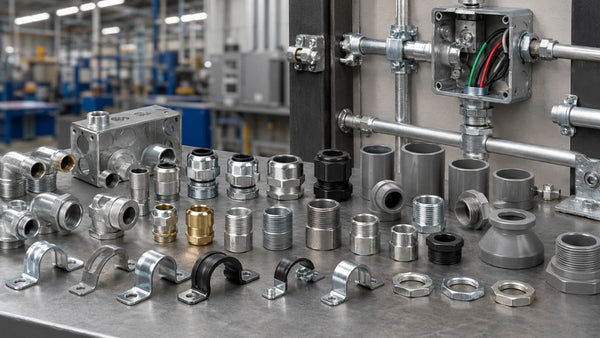
Industrial environments may expose electrical systems to moisture, dust, vibration, chemicals, or extreme temperatures. In these situations, proper enclosures, conduit systems, seals, and industrial fittings become important parts of the overall electrical protection system.
When Should You Replace a Circuit Breaker?
Circuit breakers do not last forever. Over time, wear and repeated trips can affect performance.
You may need to replace a circuit breaker if:
- It trips constantly
- It fails to reset
- visible damage appears
- The electrical panel is outdated
- The system capacity changes
- Equipment upgrades increase electrical demand
Replacing worn electrical components early can help prevent larger electrical failures later.
Final Thought
So, what is a circuit breaker? It is one of the most important safety components in any electrical system. A circuit breaker helps protect wiring, equipment, and facilities from overloads, short circuits, and electrical damage before serious problems happen.
Whether in homes, commercial buildings, or industrial facilities, reliable circuit breaker protection plays a major role in keeping operations safe and reducing downtime. Using dependable industrial fittings, conduit systems, and electrical components also helps support long-term system performance and safer electrical installations.
Find Reliable Circuit Breakers for Your Electrical System
The right circuit breaker helps protect electrical systems from overloads, short circuits, and unexpected downtime. Industrial Fittings Now supplies dependable circuit breakers, industrial fittings, and electrical components built for commercial and industrial applications.
Contact us for help finding the right circuit breaker and electrical parts for your project, repair, or facility maintenance needs.
FAQs
What is a circuit breaker used for?
A circuit breaker protects electrical systems by shutting off power when unsafe electrical conditions happen, such as overloads or short circuits.
Why does a circuit breaker keep tripping?
A circuit breaker may trip due to overloaded circuits, faulty wiring, damaged equipment, or a short circuit in the electrical system.
Can you reset a circuit breaker after it trips?
Yes, most circuit breakers can be reset after the electrical problem is identified and fixed. If the breaker keeps tripping, the system should be inspected.
What is the difference between a fuse and a circuit breaker?
A fuse must be replaced after it blows, while a circuit breaker can usually be reset and reused after it trips.
How do you know if a circuit breaker is bad?
Common signs include frequent tripping, overheating, burning smells, visible damage, or a breaker that will not reset properly.