Industrial fittings are everywhere in electrical and mechanical systems. Most people don’t notice them, but they hold everything together. Without them, wires would be exposed, pipes would shift, and systems would fail faster than expected. The problem starts when the wrong fitting is used or when a low-quality part fails. That leads to loose connections, leaks, or damaged wiring. These small issues often lead to larger downtime problems in factories, buildings, and job sites.
This guide explains the main types of industrial fittings, what they do, the materials they are made of, and where they are used. It will help you make better choices for electrical work, construction, and maintenance jobs.
What Are Industrial Fittings?
Industrial fittings are small components used to connect, support, or protect systems. They are used in electrical setups, piping systems, and mechanical installations.
Their job is simple. Keep systems secure and working properly. They help route cables, seal openings, and support conduit or pipes so nothing moves or gets damaged. You will find them in factories, commercial buildings, construction sites, and industrial equipment setups. In short, they keep systems stable and safe.
Main Types of Industrial Fittings and Their Uses

Industrial systems rely on different fittings for different jobs. Here are the most common ones used in real-world applications.
1. Conduit Fittings and Electrical Connectors
These fittings guide and protect electrical wires inside conduit systems. They help protect wiring from impact, moisture, and dust.
Used for:
- Routing electrical wires safely through conduit systems
- Protecting wiring in industrial and outdoor environments
- Connecting conduit sections in electrical installations
They are widely used in factories, commercial buildings, and outdoor electrical systems. These are often the first items needed when sourcing from an industrial fittings supplier.
2. Cable Glands and Cord Grips
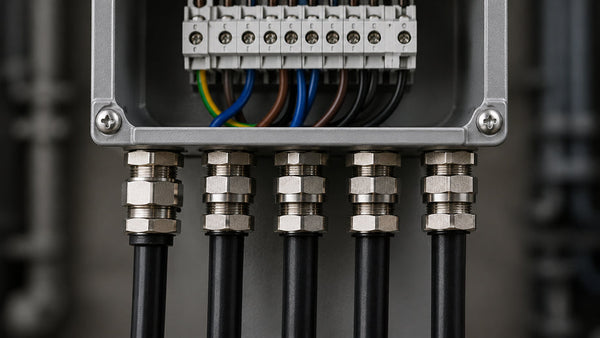
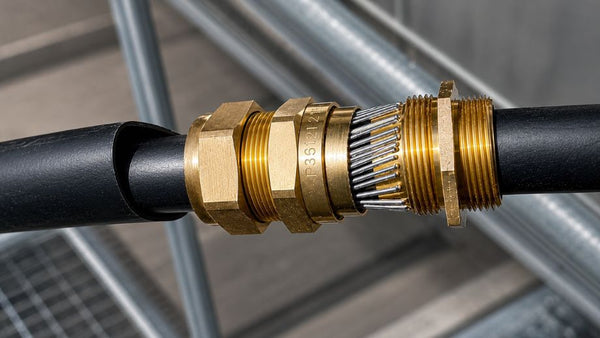
Cable glands secure cables where they enter electrical boxes or machines. They also reduce strain on the cable. Cord grips help hold cables tightly in place, especially in systems that move or vibrate.
Used for:
- Securing cables entering enclosures or equipment
- Preventing cable pull-out or strain damage
- Sealing entry points against dust and moisture
3. Couplings and Unions
Couplings connect two sections of conduit or pipe. They allow systems to extend without having to replace long runs.
Unions allow quick disconnection when repairs or maintenance are needed.
Used for:
- Joining conduit or pipe sections
- Extending electrical or piping systems
- Allowing fast disconnection during maintenance
These fittings are often used by maintenance teams to reduce repair time.
4. Clamps, Straps, and Supports
Clamps, Straps, and Supports hold conduit, pipes, or cables in place. They stop movement that can cause wear or damage over time.
Used for:
- Securing conduit to walls, ceilings, or structural frames
- Reducing vibration in industrial systems
- Keeping wiring and piping aligned and stable
They are especially important in factories and heavy equipment areas where vibration is constant.
5. Bushings, Nipples, and Reducers
These small fittings help guide, protect, and connect system parts.
- Bushings protect wires from sharp edges.
- Nipples connect short sections.
- Reducers help connect different sizes.
Used for:
- Protecting wire insulation at entry points
- Connecting short conduit or box sections
- Joining different conduit or pipe sizes
Even though they are small, they prevent long-term damage to wiring systems.
6. Enclosure and Box Fittings
Enclosures are used inside junction boxes and electrical enclosures. They help protect wiring and keep systems organized.
Used for:
- Securing wiring inside junction boxes
- Protecting electrical connections from dust and moisture
- Supporting safe access for maintenance and repairs
They are essential in control panels and industrial electrical systems.
Industrial Fitting Materials Explained

Different materials work better in different environments. Choosing the right one helps prevent early failure.
Steel and Stainless Steel
Strong and long-lasting. Stainless steel also resists rust. Used in outdoor and heavy-duty environments.
Brass
Good for electrical use because it handles heat and resists corrosion. Often used in connectors and grounding parts.
Aluminum
Lightweight but still strong. Used in systems where weight matters, such as overhead installations or support structures.
PVC and Plastic
Affordable and resistant to corrosion. Common in light electrical work, conduit systems, and low-stress environments.
Each material performs differently depending on the environment. For example, wet or outdoor areas require corrosion-resistant materials, while heavy machinery setups require stronger metals that can withstand vibration.
Choosing the wrong material can lead to early wear, loose connections, or system failure. Matching the material to the job helps extend system life and reduces maintenance needs.
Applications of Industrial Fittings in Real Projects
- Electrical Installations: Used for wiring protection, conduit support, and system safety.
- Industrial Machinery: Keeps cables and connections stable during equipment movement.
- Construction Projects: Used in building electrical systems and infrastructure work.
- Manufacturing Facilities: Helps keep production systems running without interruptions.
- Maintenance and Repairs: Supports fast replacement and reduces downtime during fixes.
Common Problems Caused by Wrong Fitting Selection
Wrong fittings can create serious issues. Loose connections, water entry, cable damage, and system failure are common results. These problems often lead to downtime. In industrial work, even short delays can affect production and cost money.
Final Thought
Choosing the right parts makes a big difference in system safety and performance. Good fittings help prevent damage, support stable connections, and reduce downtime. In every system, industrial fittings play a key role in keeping operations safe, steady, and reliable without unnecessary interruptions.
Need Reliable Industrial Fittings for Your Project?
Getting the right fittings on time can make the difference between smooth work and unexpected downtime. Industrial Fittings Now supplies reliable industrial fittings, conduit components, and electrical hardware designed for real job-site demands. Every part is designed to help you keep systems running without delays.
Contact us for fast support, bulk orders, or help finding the right industrial fittings for your project. We help keep your work moving without unnecessary downtime.
FAQs
What are industrial fittings used for?
Industrial fittings are used to connect, support, and protect electrical and mechanical systems. They help secure wiring, seal openings, and keep conduit or pipes stable in different environments.
What are the most common types of industrial fittings?
Common types include conduit fittings, cable glands, couplings, clamps, bushings, reducers, and enclosure fittings. Each one serves a specific role in system protection and connection.
What materials are industrial fittings made of?
Industrial fittings are usually made from steel, stainless steel, brass, aluminum, PVC, or plastic. The material depends on the environment and the required strength or corrosion resistance.
How do I choose the right industrial fitting?
Choose based on the application, load requirements, environment, and size compatibility. The right fit helps prevent leaks, damage, and system failure.
Why are industrial fittings important in electrical systems?
They protect wiring from damage, keep systems organized, and help prevent downtime caused by faults, loose connections, or exposure to harsh conditions.